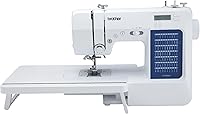
Sewing Machine Brands Compared: Brother, Singer, Janome
The best sewing machine brands for these needs are Brother for everyday sewing and quilting, Singer for thicker fabrics, and Janome for simple mechanical controls. Choose the model that fits your usual projects rather than buying by brand name alone.
On this page (8 sections)
- Which sewing machine brands are best for different needs?
- What does Brother offer for everyday sewing and quilting?
- When is Singer a better fit than Brother or Janome?
- Which features matter more than the brand name?
- How should you set up a new sewing machine?
- What care keeps a home sewing machine working well?
- Which mistakes make a suitable machine seem like the wrong choice?
- Which of the best sewing machine brands should you choose?
The best sewing machine brands for home sewing are Brother, Singer and Janome when their models match your projects. Among these 4 choices, start with the Brother XM2701 for everyday work, CS7000X for quilting, Singer 4423 for thicker fabrics, or Janome Arctic Crystal for mechanical controls.
A brand name helps narrow your search, but the machine's controls, accessories and fabric-handling features should settle the choice. A model suited to cushion covers may leave you wanting more workspace when you move to quilts.
For a broader starting point, see our complete home sewing machine buying guide. If you already know your project needs, compare our best sewing machines picks too.
Which sewing machine brands are best for different needs?
Brother covers everyday sewing and quilting here, Singer suits thicker-fabric work, and Janome offers a focused mechanical option. These are model-level recommendations, not a claim that every machine from one brand beats every rival.
| Brand and model | Best fit | Main reason to choose it | Who should skip it |
|---|---|---|---|
| Brother XM2701 | First projects and household repairs | Threading help and useful everyday stitches | Buyers who want the CS7000X's quilting workspace |
| Brother CS7000X | Sewing with room to explore quilting | Wide table and quilting accessories | Buyers who prefer simple mechanical controls |
| Singer 4423 | Frequent denim and canvas projects | Adjustable presser foot pressure and extra-high lift | Buyers expecting industrial sewing capacity |
| Janome Arctic Crystal | Learning with mechanical controls | Direct adjustments and a focused stitch selection | Buyers who want a one-step buttonhole |
Start by naming 3 projects you'll actually make. Shortening cotton curtains, repairing shirts and making a quilt place different demands on a machine.
Next, identify the hardest step in those projects. It might be working around a narrow sleeve, supporting a bulky quilt or feeding a thick seam crossing.
Choose features that solve that step before comparing decorative stitches. That approach keeps you from buying extra functions while missing something you'll use every week.
How do the best sewing machine brands compare for beginners?
The Brother XM2701 suits beginners who want threading help, while the Janome Arctic Crystal suits those who prefer mechanical adjustments. Both make more sense when chosen around a clear first project.
The XM2701 includes 27 built-in stitches, covering decorative, blind hem, zigzag and stretch work, plus an automatic one-step buttonhole. That gives you options for repairs, simple garments and small household projects.
Its drop-in top bobbin makes loading accessible from above, and the 6 included feet cover tasks such as zippers and blind hems. Learn the general-purpose foot first, then add a specialty foot when your project calls for it.
The XM2701 is a sensible starting point for someone planning pillow covers, basic alterations and clothing repairs. Skip it for the CS7000X if quilt support and a supplied wide table are priorities from the start.
The Arctic Crystal has 15 built-in stitches, adjustable stitch length and width, and a 4-step buttonhole. Its mechanical controls suit a learner who wants to understand each setting directly.
The Janome includes general-purpose, blind hem, buttonhole and zipper feet, plus a darning plate. That selection gives you a practical route from straight seams to common garment details without starting with a large accessory collection.
Choose it for straightforward repairs, simple clothing, patchwork and light quilting. Skip it if frequent buttonholes are central to your plans, since a one-step process reduces the number of stages you manage.
A 4-step buttonhole isn't a reason to rule out the Janome for occasional garment work. It does mean you'll need to follow the sequence and practice matching the sides before sewing your finished piece.
For more beginner options, read our best sewing machines for beginners guide.
What does Brother offer for everyday sewing and quilting?
The XM2701 fits everyday sewing, while the CS7000X is the better-equipped Brother here for quilting. Choose between them by project size and preferred controls rather than stitch count alone.
The CS7000X is computerized, with an LCD display and 70 built-in stitches, including utility, decorative, heirloom and quilting functions. It also offers 7 styles of one-step auto-size buttonholes.
Its included equipment is the stronger reason to consider it for quilting: a detachable wide table, 10 sewing feet, a quilt guide and a protective hard case. The machine also has a larger needle-to-arm workspace.
Buy the CS7000X if quilting is a planned activity, rather than a distant possibility. The table can support fabric near the needle, while the quilt guide helps you follow a set distance.
A beginner who wants to make patchwork cushions before trying a quilt has a clear reason to choose this model. Someone who only repairs loose seams may leave much of that equipment unused.
Skip it if you strongly prefer mechanical controls or want a machine mainly for brief repairs. More functions give you more to learn, even if you only use a few stitches at first.
Keep quilt size in mind, too. A supporting table doesn't enlarge the opening between the needle and machine body, so managing a bulky quilt still takes planning.
For an explanation of the feature set, see what a computerized sewing machine is. Focus on how you'll select and adjust stitches, since those are controls you'll use throughout every project.
When is Singer a better fit than Brother or Janome?
The Singer 4423 is the clearest choice here for frequent thicker-fabric projects because it provides adjustable presser foot pressure and an extra-high presser foot lift. Those controls address feeding and clearance, two practical concerns with layers.
The machine has a heavy-duty metal frame, a stainless-steel bedplate and 23 stitches with 97 stitch applications. Applications describe ways to use stitches, so don't compare that number directly with another machine's built-in stitch count.
Singer specifies a maximum speed of 1,100 stitches per minute. That can suit long seams, but speed matters less than control when you reach corners, thick joins or precise topstitching.
Choose the 4423 for regular work on denim garments, canvas bags or similar projects where fabric handling matters more than a large decorative stitch menu. Its manual tension dial also lets you adjust thread balance.
Skip it if you expect an industrial machine for dense upholstery stacks, heavy leather goods or production work. Singer describes it as designed for heavy fabrics, but material type and construction still set limits.
Two pieces of denim and a folded jeans hem aren't the same sewing task. At a hem crossing, several seam allowances can stack together and create a much harder obstacle.
Likewise, the word “leather” covers materials with very different thickness and stiffness. Plan around your actual layers, needle and thread rather than treating the heavy-duty name as permission to sew any stack.
Read our guide to what a heavy-duty sewing machine is to see which features matter for thicker materials.
Which features matter more than the brand name?
Useful controls, suitable feet and enough fabric support matter more than a large stitch total. Compare those details against your projects before deciding which logo you prefer.
Start with seams, hems and buttonholes
A straight stitch does much of the work in basic woven-fabric projects. Zigzag and suitable stretch stitches become more useful when you sew knits, finish some raw edges or need a seam that can give.
Buttonhole workflow matters if you plan shirts, dresses or other garments with several closures. Check the process before buying, then practice on the same fabric layers and interfacing you'll use in the garment.
Don't choose a machine because it offers more decorative stitches than you can name. A smaller selection can cover your work well if the essential stitches and adjustments are there.
Match accessories to the work
A zipper foot helps you sew close to zipper teeth, while a blind hem foot guides a particular hem technique. The right attachment helps, but you still need to learn how it guides the fabric.
Check exact model compatibility before buying extra feet or bobbins. Sharing a brand name doesn't establish that an accessory fits every machine that brand makes.
For layered quilting, learn what a walking foot does before choosing extra equipment. Its role differs from simply supporting fabric with a table.
Plan the space around the machine
Measure the full sewing area, including room in front of and behind the needle. Fabric needs support as it moves, especially if a large piece could drag over the table edge.
A free arm helps with cuffs and other small tubes, but very narrow openings may still need a different approach. Check that you can position the project without stretching or trapping the fabric.
If you pack the machine away after every session, consider the carrying route as well as storage. Stairs, shelf height and a distant table can turn setup into a chore.
Check power and help before ordering
The Brother XM2701 and CS7000X are intended for US use at 120 volts. Brother warns that other use or sale may void warranty coverage, so buyers elsewhere should choose an appropriate local version.
Find the correct manual, accessory sources and service options for the exact model you're considering. Brother provides online, live chat or phone technical support for the XM2701 for the life of the machine.
Warranty length alone shouldn't decide the brand. Read the coverage terms and learn where you would take or send the machine if it needed service.
How should you set up a new sewing machine?
Start with the manual, correct threading and a practice seam on project scraps. A careful first setup helps you learn the machine before a mistake reaches your finished fabric.
- Use a stable table. Leave space for the fabric and place the foot control where you can reach it without stretching.
- Confirm the needle. Follow the manual for its direction and installation, and choose a needle suited to the fabric.
- Wind and insert the bobbin correctly. Use the right bobbin type and follow the thread direction shown for your machine.
- Thread with the presser foot raised. This helps the upper thread enter the tension system correctly.
- Fit the right foot and select the stitch. With power off, turn the handwheel as directed to check needle clearance after a change.
- Sew on matching scraps. Include the same number of layers, seam allowances and interfacing as the real project.
Begin with a straight stitch on a stable woven fabric. Practice starting, stopping, keeping an even seam allowance and turning a corner before trying several new techniques together.
Guide the fabric without pulling it. The feed system moves the fabric; tugging can bend the needle or distort the seam.
Keep the loose thread tails positioned as your manual directs at the start of a seam. Stop if you hear an unusual knock, see the needle deflect or find the fabric isn't feeding.
What care keeps a home sewing machine working well?
Remove lint, replace unsuitable needles and follow the model's maintenance instructions. Those habits address common causes of poor stitching without making unnecessary adjustments.
Switch off and unplug the machine before cleaning or changing parts, as directed in the manual. Remove lint from accessible areas around the feed dogs and bobbin with the recommended brush.
Don't add oil simply because another sewing machine needs it. Lubrication points and service needs vary, so follow the instructions for your exact model.
A bent, blunt or wrong-size needle can cause trouble even when threading and tension are correct. Keep suitable spare needles nearby and replace a damaged needle before continuing.
Cover the machine between sessions to keep dust away. Store loose feet, bobbins and needles together so the next setup starts with the right parts.
If a problem persists after correct threading, a suitable fresh needle and routine cleaning, seek model-specific help. Repeatedly forcing the machine through a jam can make the problem worse.
Which mistakes make a suitable machine seem like the wrong choice?
Wrong needles, poor threading and unrealistic fabric demands can undermine any of these machines. Check those basics before deciding the brand is the problem.
One common mistake is adjusting tension first when loops appear. Rethread the upper path and bobbin correctly, then check needle condition before changing several settings.
Use our sewing machine tension problems guide if the stitches remain unbalanced. Change one setting at a time so you can see what helped.
Another mistake is judging capacity by how much fabric fits under the raised foot. Clearance doesn't prove that the needle can pierce the stack or that the feed system can move it.
Stop if the machine stalls or the needle bends. Reduce bulk through an appropriate construction method, or choose equipment suited to the work.
Beginners can also rush into slippery fabric, stretch fabric or thick seam crossings before learning basic control. Start with stable woven material, then add one new challenge at a time.
Finally, don't buy several specialty feet before finishing a project. Learn what your included feet do, identify a task they don't cover, and buy a compatible accessory for that need.
Which of the best sewing machine brands should you choose?
Choose Brother for the everyday or quilting setup described here, Singer for frequent thicker-fabric work, or Janome for mechanical controls. The best sewing machine brands become useful choices only when you select the right model.
- Pick the Brother XM2701 if your first projects are household repairs, simple garments and small fabric items, and you want help with needle threading.
- Pick the Brother CS7000X if quilting is on your near-term project list and you want its supporting table and included accessories.
- Pick the Singer 4423 if denim and canvas are regular materials, while keeping your expectations within home-machine limits.
- Pick the Janome Arctic Crystal if you prefer direct mechanical adjustments and are comfortable learning a 4-step buttonhole.
If you're deciding between Brother and Singer, our Brother vs Singer sewing machines guide compares those brands directly. For more brand-specific choices, browse the best Brother sewing machines and best Singer sewing machines guides.
Before ordering, write down your first project, its thickest seam and the accessory it needs. Use those 3 details to make the final choice.
Frequently asked questions
Which sewing machine brand is best for beginners?
Brother and Janome offer useful beginner choices here. Choose the Brother XM2701 if threading help and everyday stitch options matter most.
Choose the Janome Arctic Crystal if you prefer mechanical controls and don't mind a 4-step buttonhole. Start with your first few projects rather than the largest stitch count.
Is Singer or Brother better for thick fabric?
The Singer 4423 is the better match here for frequent thicker-fabric work because it offers adjustable presser foot pressure and extra-high foot lift. Choose the Brother CS7000X for its quilting workspace and accessories.
Fabric thickness, seam crossings, needle choice and thread still affect what a home machine can sew.
Is Janome a good sewing machine brand?
The Janome Arctic Crystal is a sensible choice for everyday sewing if you want mechanical controls and a focused stitch selection. Its adjustable stitch length and width suit learning basic seams and repairs.
Judge this model by those needs; one entry-level machine doesn't establish how every Janome model compares.
Should I choose a computerized or mechanical sewing machine?
Choose a computerized machine if you prefer selecting stitches through a display and want the functions offered by that model. Choose mechanical controls if you prefer setting adjustments directly.
Neither style replaces correct threading, needle choice or practice, so compare the tasks you'll do rather than assuming one style always sews better.