Sewing Machines for Home: A Buying Guide
Choose a sewing machine for home that matches your usual fabrics and projects. Prioritize simple controls for basic repairs, or consider computerized controls and a larger workspace for varied stitches and quilting.
On this page (6 sections)
Choose a sewing machine for home that matches your usual fabrics and projects. For repairs, hems and simple projects, prioritize easy controls and basic stitches; for quilting, consider a larger workspace and a table to support the fabric.
Before choosing, list the fabrics and tasks you expect to handle: clothing repairs, curtains, quilting, denim or crafts. That list will help you compare machines by features you will use instead of by stitch count alone.
This guide explains the main choices, what to check before buying, and how four home machines differ. For a shorter shortlist, see our best sewing machines guide.
Which sewing machine suits your home projects?
Choose a home sewing machine around your regular fabrics and tasks first. Extra stitches and accessories matter most when they help with work you expect to do.
| If you mainly sew… | Prioritize… | Consider… |
|---|---|---|
| Repairs and hems | Simple controls, straight and zigzag stitches, free arm | A machine with a practical set of accessories |
| Garments and crafts | Stretch and blind-hem stitches, buttonholes, easy threading | More stitch choices and quick-change presser feet |
| Quilts and larger projects | Room around the needle, fabric support | A wide table and quilt guide |
| Denim, canvas or thick layers | Fabric handling and suitable presser-foot clearance | A machine designed for heavier fabrics |
| A mix of projects | Useful stitch range and adjustable settings | A computerized model if its controls suit you |
The same machine may handle several of these jobs, but you still need suitable needles, thread and settings for your fabric. Read the manual before sewing unfamiliar materials.
If you’re new to sewing, our best sewing machines for beginners guide focuses on approachable options. For a step-by-step feature checklist, see how to choose a sewing machine.
What should you check before buying a sewing machine?
Check stitch types, controls, workspace, accessories and support against the projects on your list. A longer feature list is useful only when it covers tasks you expect to do.
Which stitches does a home sewing machine need?
Prioritize straight and zigzag stitches, then add stretch or blind-hem stitches if your projects call for them. Buttonhole stitches help if you sew shirts, jackets or other clothing with buttons.
Decorative stitches can add options for embellishment, but they may matter less than easy stitch selection or a comfortable workspace. Check the stitch names and functions rather than comparing only the total number.
How much workspace do you need?
Choose enough room around the needle to guide your usual projects. A larger needle-to-arm area helps accommodate quilts, while a free arm gives you access for cuffs, sleeves and pant legs.
For quilting, look at both the machine's available space and any included wide table. A table supports fabric beside the machine, but you still need room to guide the project and keep it from dragging off the work surface.
Are mechanical or computerized controls better?
Choose mechanical controls if you prefer dials, or computerized controls if you prefer a display and buttons. Compare each machine's actual controls, since stitch choices and buttonhole features vary by model.
Think about which controls would be easier for you to learn and adjust. Read mechanical vs computerized sewing machines for a closer comparison, or learn what a computerized sewing machine is.
Which accessories are useful?
Prioritize presser feet and fabric supports that match your projects. Zipper, buttonhole, blind-hem and quilting feet each serve different tasks, while a wide table supports larger pieces.
Check which accessories are included and whether they match the work you plan to do. If you already own feet or supplies, confirm that they fit the model before counting them as part of your setup.
What should you consider for heavier fabrics?
Compare machines designed for heavier fabrics if you regularly sew thick denim seams or several layers. Check the machine's instructions for suitable materials, needles and settings before starting.
A machine's name or a high stitch count does not guarantee that it will suit every thick material. Our guide to heavy-duty sewing machines explains what the term means.
Which home sewing machines are worth comparing?
Compare the Brother XM2701 for everyday sewing, the Brother CS7000X for quilting accessories, the Singer 4423 for heavier fabrics, and the Janome Arctic Crystal for basic projects. Their stitch choices, controls and included accessories offer different reasons to choose each one.
Brother XM2701: a broad stitch range for everyday sewing
The Brother XM2701 offers 27 built-in stitches, including decorative, blind-hem, zigzag and stretch stitches, plus an auto-size buttonhole. It also has an automatic needle threader, a drop-in top bobbin and a free arm.
This is a corded electric machine intended for use at 120 volts in the US. Brother offers online, live chat and phone technical support for the life of the machine.
Consider it for everyday projects if you want several stitch types and a free arm for cuffs or sleeves. See it on Amazon.
Brother CS7000X: computerized controls and quilting space
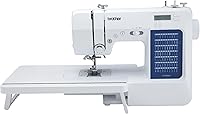
The Brother CS7000X has 70 built-in stitches, an LCD display and 7 one-step auto-size buttonholes. It includes a wide table, 10 sewing feet, a quilt guide and a protective hard case.
The machine has a metal frame and fixed needle bar, and it is intended for use in the US at 120 volts. Brother backs it with a 25-year limited warranty and free phone and technical support for the life of the product.
Consider it for quilting and varied stitch options, especially if you want a table and quilt guide included. See it on Amazon.
Singer 4423: frequent sewing and heavier fabrics
The Singer 4423 offers 23 stitches with 97 stitch applications, an automatic needle threader and a one-step buttonhole. It has a metal frame, adjustable presser-foot pressure and an extra-high presser-foot lift.
Singer describes this model as a heavy-duty machine for fabrics such as denim, canvas and leather. It also has a free arm for hems and cuffs, plus 4 included presser feet.
Consider it if heavier materials are a regular part of your sewing, following its instructions for fabric, needle and thread choices. See it on Amazon.
Janome Arctic Crystal: simple controls for learning and light projects
The Janome Arctic Crystal is a mechanical machine with 15 built-in stitches, adjustable stitch width and length, and a 4-step buttonhole. It has a free arm and includes 4 presser feet and a darning plate.
Janome describes it as beginner-friendly and suitable for garments, patchwork and light quilting. It has an interior metal frame, snap-on presser feet and an extra-high presser-foot lift.
Consider it if you want mechanical controls for basic projects and learning. See it on Amazon.
How do you choose between these sewing machines?
Choose the Brother XM2701 for everyday sewing with several stitch types and a free arm. Choose the Brother CS7000X if you want computerized controls, a wide table and quilting accessories.
The Singer 4423 is the one to compare for frequent work with thick fabrics. The Janome Arctic Crystal offers a smaller stitch selection and mechanical controls for straightforward home projects.
Your best choice still depends on the projects you plan to sew. Before buying, confirm that the machine's controls, included accessories and fabric guidance fit your needs.
What should you plan for after choosing a machine?
Plan for basic supplies and a suitable place to sew. A stable surface, good lighting and room to support fabric can make home projects easier to manage.
Check that you have the right needles and thread for your fabrics. Keep the manual nearby, and learn how to thread the machine, wind a bobbin and clean the areas named in its care instructions.
If stitching problems arise, start with the manual and check threading, needle condition and fabric settings. Our guides can help with sewing machine tension problems and skipped stitches.
How do you pick the right sewing machine for home?
Pick the Brother XM2701 for everyday repairs and varied stitches, or the Brother CS7000X for its quilting workspace and accessories. Compare the Singer 4423 for heavier fabrics, or the Janome Arctic Crystal if 15 stitches and mechanical controls cover your plans.
Use your project list to narrow the options, then check the accessories, workspace and fabric guidance for the machine. If you’re still comparing models, start with our best sewing machines guide.
Frequently asked questions
What sewing machine is best for home use?
The best sewing machine for home use matches your usual projects, with basic stitches for repairs or more workspace for quilting. Compare controls, included feet and fabric guidance, then choose the features you expect to use rather than the machine with the longest stitch list.
Should I buy a mechanical or computerized sewing machine?
Choose mechanical controls if you prefer setting stitches with dials for basic projects. A computerized sewing machine may offer a display and more built-in stitches, but compare each model's controls, buttonhole options and included accessories to decide which setup fits the work you plan to do.
How many stitches does a home sewing machine need?
A home sewing machine needs the stitch types your projects use, rather than the largest total. Straight, zigzag, stretch and blind-hem stitches cover many repairs and garment tasks, while decorative and quilting stitches add options if those are part of the sewing you plan to do.
Can a regular home sewing machine sew denim?
Some home sewing machines can sew denim, but thick seams and multiple layers need closer attention to the machine's limits. Follow its manual for fabric, needle and thread choices, and compare models designed for heavier fabrics if denim or canvas will be a regular part of your sewing.
Do I need a wide table for quilting?
A wide table is optional for small quilting projects, but it can support larger quilt sections beside the needle. Also compare the needle-to-arm workspace and the room on your sewing surface, since the fabric needs support as you guide it through the machine during sewing.