Why Does My Sewing Machine Keep Jamming?
If your sewing machine keeps jamming, rethread the upper thread, check the bobbin fit and direction, and clear accessible lint. Switch off and unplug it before freeing trapped fabric or working near the needle.
On this page (10 sections)
- What should you do first when a sewing machine jams?
- Why does a sewing machine keep jamming underneath?
- Could the bobbin be causing the jam?
- Can threading or tension make the machine jam?
- Could the needle or fabric be causing repeated jams?
- Can lint or trapped thread jam the bobbin area?
- How should you choose between bobbins and a cleaning kit?
- How can you restart without causing another jam?
- When does a sewing machine jam need repair?
- What should you do if your sewing machine keeps jamming?
If your sewing machine keeps jamming, check the upper threading, bobbin setup, needle, and accessible lint before buying parts. Switch off and unplug it before clearing trapped fabric or working near the needle.
Loops under the fabric don't automatically mean the bobbin tension needs adjusting. The upper thread can cause that tangle when it misses a guide or fails to enter the tension discs.
What should you do first when a sewing machine jams?
Stop sewing and unplug the machine, then release the fabric without forcing the needle or handwheel. Pressing the pedal again can tighten the knot.
If the handwheel moves freely, turn it only in the direction your manual specifies to raise the needle. Lift the presser foot, snip accessible tangled threads, and gently ease the fabric free.
If the fabric stays trapped, follow the manual's steps for removing the needle plate or bobbin case. Keep screws in a small container, and leave parts in place unless the manual permits their removal.
Inspect the needle after freeing the fabric. Replace it if it's bent, damaged, or struck the needle plate.
Why does a sewing machine keep jamming underneath?
Thread bunching underneath often begins in the upper thread path, even when the knot surrounds the bobbin. Check where the problem starts before turning any tension dial.
Use the timing of the jam to narrow your checks:
- At the first stitches: check upper threading, the lowered presser foot, and how the thread tails are handled.
- After a bobbin change: check bobbin class, insertion direction, and whether thread entered its guide.
- At a thick seam: check needle choice, fabric feeding, and the machine's limits.
- After extended sewing: inspect for lint, trapped thread, and a spool that has started catching.
These clues tell you where to begin, rather than proving a single cause. If the machine leaves gaps without locking up, compare the symptoms with why a sewing machine skips stitches.
What if the sewing machine keeps jamming after rethreading?
Check the take-up lever, spool, and bobbin seating again before adjusting tension. Missing one guide can recreate the same jam even after you've threaded most of the path correctly.
With power disconnected, position the needle and take-up lever as the manual directs. Look for thread caught around the spool pin, beneath a spool cap, or outside a bobbin-case guide.
Could the bobbin be causing the jam?
A wrong, damaged, or unevenly wound bobbin can snag thread. Match the exact bobbin type in your manual rather than choosing by brand or appearance alone.
Check for cracks, chipped edges, distortion, and loose thread trapped around the bobbin case. Don't substitute metal for plastic, or another bobbin class, unless your manual allows it.
Wind onto an empty bobbin using the machine's winding guides, and stop at its specified fill level. Singer cautions against adding thread to a partly wound bobbin because uneven winding can cause tangles or breaks.
Choose Brother SA156 Bobbins if your manual specifies SA156 and you need replacements or spare colors ready to sew. Compatible models include the Brother PE770 and SE400, but check your exact model before ordering.
Skip these if your machine needs a different bobbin style. Fresh bobbins won't correct upper threading or a damaged hook.
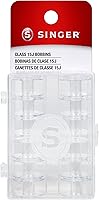
Choose Singer Class 15J Bobbins for a machine that requires that class, especially if you switch thread colors and want organized spares. They fit select Singer Futura models in the 2600s, 3900s, 7400s, and 8700s series, plus the Izek 1500.
Skip them for a machine requiring Class 15. Class 15J bobbins are slightly curved and smaller, so the 2 classes aren't interchangeable.
Can threading or tension make the machine jam?
Incorrect threading can create loops, thread breaks, and resistance, so reset the thread path before changing tension. Raise the presser foot while threading to let thread enter the tension discs on many machines.
Follow every guide, including the take-up lever, and thread the needle in the direction your manual shows. Check that the spool unwinds freely and that any required spool cap is correctly fitted.
Lower the presser foot before sewing. Leaving it raised can prevent proper upper-thread tension even when the thread follows the correct route.
If both thread paths are correct but stitches still pull or loop, follow our guide to sewing machine tension problems. Make one small adjustment at a time, using scrap from your project.
Don't turn the bobbin-case screw as a first fix. Adjust it only if your manual allows it and explains the process.
Could the needle or fabric be causing repeated jams?
A bent needle, unsuitable needle size, or fabric that won't feed can cause trouble at the stitch area. Fit a fresh needle suited to both your thread and fabric before blaming the machine.
Insert it fully, with the flat side facing the direction your manual specifies, and secure the clamp. A needle seated too low can interfere with stitch formation or strike other parts.
For thin fabric, start far enough from the edge that the feed dogs can grip it. Avoid repeatedly stitching in place at an unsupported edge, where fabric can be drawn into the needle-plate opening.
For bulky seams, slow down and let the feed dogs move the work. Pulling from behind can deflect the needle, while forcing a thick stack under the foot doesn't make the machine capable of sewing it.
If layers shift, our walking foot guide explains when a feeding attachment helps. It doesn't increase the machine's ability to pierce thick material.
For frequent heavy seams, read our guide to sewing denim and jeans before changing machines.
Can lint or trapped thread jam the bobbin area?
Lint and broken thread can interfere with movement around the bobbin and hook. Clean the accessible areas your manual identifies, with the machine unplugged.
Lift lint out with a brush rather than blowing it farther inside. Avoid sharp tools near the hook, and add oil only where the manual directs.
Choose the Singer Maintenance Kit for routine care and help handling needles. Its angled brush suits accessible lint removal, while the inserter and threader serve separate setup jobs.
Skip it if your machine's supplied tools already cover those tasks. Check that a screwdriver fits the screw securely before removing an allowed cover.
Choose the Ceoighe Cleaning Kit if you want several brush shapes and tweezers for loose thread. Skip it if your main need is a needle inserter or threader.
Lift only thread you can reach without forcing or scraping parts. Keep the seam rippers for fabric seams, rather than using them to dig around the hook.
Wash the silicone brushes with mild soapy water and let them air-dry fully before reuse. Check the bobbin area more often during lint-heavy projects, following your machine's care schedule.
How should you choose between bobbins and a cleaning kit?
Buy the item that addresses a visible problem, rather than ordering all 4 accessories. Correct setup may solve the jam without a new purchase.
Choose compatible bobbins when yours are damaged, the wrong class, or consistently wound poorly despite following the winding instructions. Keep the required bobbin model written with your sewing supplies to avoid similar-looking substitutes.
Choose a cleaning kit when you lack tools for removing accessible lint and thread. The Singer kit emphasizes needle handling and basic care; the Ceoighe kit offers more brush options and tweezers.
Neither kit repairs damaged internal parts. For broader equipment choices, the sewing machine buying guide connects machine types with the projects you plan to sew.
How can you restart without causing another jam?
Reassemble the machine, confirm both thread paths, and sew slowly on scrap matching your project. Refit every removed cover and part before reconnecting power.
Lower the presser foot and hold the thread tails behind it for the first stitches if your manual recommends that step. Keep your fingers clear and guide the fabric without pushing or pulling.
Change one thing at a time if trouble returns. Note whether the jam starts immediately, at a seam crossing, or after several inches, so each check answers a useful question.
When does a sewing machine jam need repair?
Arrange service if the handwheel stays stiff, parts strike each other, or jams return after correct setup and cleaning. Grinding sounds or visible damage also call for a technician.
Don't force the mechanism or keep pressing the pedal through resistance. Record the fabric, thread, needle, stitch setting, and where the jam forms to help explain the fault.
What should you do if your sewing machine keeps jamming?
Choose replacement bobbins for a confirmed fit or damage problem, and cleaning tools for accessible lint or loose thread. If your sewing machine keeps jamming after those checks and careful rethreading, arrange service.
A machine that runs smoothly but leaves loops needs a different next step: follow our sewing machine tension guide. If jams occur only on projects beyond its capacity, use how to choose a sewing machine to match your next machine to the work.
Frequently asked questions
Why does my sewing machine keep jamming underneath?
Thread bunching underneath often starts with upper thread that missed a guide or did not enter the tension discs. A misplaced bobbin or trapped thread can also cause it, so unplug the machine, clear the tangle, and rethread both paths according to the manual before changing tension.
Should I pull jammed fabric out of a sewing machine?
Don't yank jammed fabric out, because pulling can bend the needle or damage the fabric. Unplug the machine, raise the needle only if the handwheel moves freely in the correct direction, then lift the presser foot and snip trapped threads; follow the manual if the fabric remains stuck.
How do I stop thread from bunching under fabric?
Start by rethreading the upper thread with the presser foot raised and the take-up lever in the position your manual specifies. Check the bobbin type, winding, and insertion direction too, then lower the presser foot before sewing on scrap and hold the thread tails if your manual recommends it.
When should I take a jammed sewing machine for repair?
Arrange service when the handwheel remains stiff after accessible thread and lint are removed, or when grinding, needle strikes, or visible damage occurs. If correct threading, a suitable fresh needle, and proper bobbin setup do not stop repeated jams, stop sewing and have a qualified technician inspect the machine.